Just LISTEN TO THIS GUY. I know he's a notorious twat, but T.S Eliot is pretty much my favourite poet ever. Sometimes I listen to this and pretend he's reading to me, as a kindly anti-semitic misogynist grandfather would.
(Come in under the shadow of this red rock),
And I will show you something different from either
Your shadow at morning striding behind you
Or your shadow at evening rising to meet you;
I will show you fear in a handful of dust.
Sunday, 26 February 2012

Saturday, 25 February 2012
Leda and the Swan by William Butler Yeats
I mark my return to blogging with a disturbing little ditty from Bill Butler Yeats. Recently I've been listening to the Swan Lake soundtrack, because I'm cool like that, and basically realised how amazing it is (thanks, Natalie Portman!).
When you have the two together, the music almost seems to mirror the intensity, horror and excitement that comes across so mightily in the poem. Kudos, Tchaikovsky.
Leda and The Swan
A sudden blow: the great wings beating still
Above the staggering girl, her thighs caressed
By the dark webs, her nape caught in his bill,
He holds her helpless breast upon his breast.
How can those terrified vague fingers push
The feathered glory from her loosening thighs?
And how can body, laid in that white rush,
But feel the strange heart beating where it lies?
A shudder in the loins engenders there
The broken wall, the burning roof and tower
And Agamemnon dead.
Being so caught up,
So mastered by the brute blood of the air,
Did she put on his knowledge with his power
Before the indifferent beak could let her drop?
William Butler Yeats
When you have the two together, the music almost seems to mirror the intensity, horror and excitement that comes across so mightily in the poem. Kudos, Tchaikovsky.
Leda and The Swan
A sudden blow: the great wings beating still
Above the staggering girl, her thighs caressed
By the dark webs, her nape caught in his bill,
He holds her helpless breast upon his breast.
How can those terrified vague fingers push
The feathered glory from her loosening thighs?
And how can body, laid in that white rush,
But feel the strange heart beating where it lies?
A shudder in the loins engenders there
The broken wall, the burning roof and tower
And Agamemnon dead.
Being so caught up,
So mastered by the brute blood of the air,
Did she put on his knowledge with his power
Before the indifferent beak could let her drop?
William Butler Yeats
Wednesday, 11 January 2012
My Mistress' Eyes Are Nothing Like The Sun by William Shakespeare
I've had a literature blog for six months and not once have I mentioned Shakespeare or school. UNTIL NOW.
This is a beaut of a poem that I first read whilst studying for my GCSEs. I think the fact that it's written by a male for a female, basically telling her that she's brilliant just as she is, really appealed to me at age fifteen. He's essentially the Elizabethan Bruno Mars (though clearly not as talented).

My Mistress' Eyes Are Nothing Like The Sun
My mistress' eyes are nothing like the sun;
Coral is far more red than her lips' red;
If snow be white, why then her breasts are dun;
If hairs be wires, black wires grow on her head.
I have seen roses damasked, red and white,
But no such roses see I in her cheeks;
And in some perfumes is there more delight
Than in the breath that from my mistress reeks.
I love to hear her speak, yet well I know
That music hath a far more pleasing sound;
I grant I never saw a goddess go;
My mistress when she walks treads on the ground.
And yet, by heaven, I think my love as rare
As any she belied with false compare.
William Shakespeare
This is a beaut of a poem that I first read whilst studying for my GCSEs. I think the fact that it's written by a male for a female, basically telling her that she's brilliant just as she is, really appealed to me at age fifteen. He's essentially the Elizabethan Bruno Mars (though clearly not as talented).
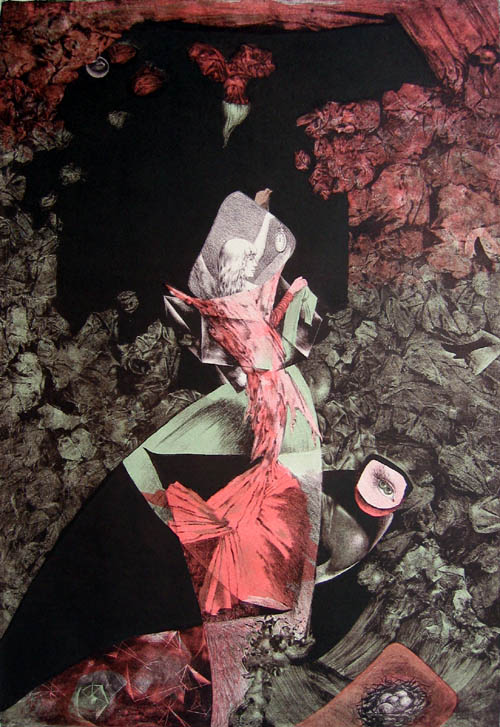
My Mistress' Eyes Are Nothing Like The Sun
My mistress' eyes are nothing like the sun;
Coral is far more red than her lips' red;
If snow be white, why then her breasts are dun;
If hairs be wires, black wires grow on her head.
I have seen roses damasked, red and white,
But no such roses see I in her cheeks;
And in some perfumes is there more delight
Than in the breath that from my mistress reeks.
I love to hear her speak, yet well I know
That music hath a far more pleasing sound;
I grant I never saw a goddess go;
My mistress when she walks treads on the ground.
And yet, by heaven, I think my love as rare
As any she belied with false compare.
William Shakespeare
Friday, 6 January 2012
Top Five Book Covers
I'm judging books by their covers, because that's just the kind of rebel I am.
Note: It has come to my attention that this post is really quite pretentious. Maybe just ignore the words and concentrate on the pretty pictures.
1. A Clockwork Orange by Anthony Burgess

I love this cover because it's become an icon in it's own right; there's no way you can see that bowler hat and the cog-eye without thinking of lactose-obsessed, Beethoven aficionado, psychopath Alex and his band of droogs. I fell in love with this book, and I think the cover reflects the tone perfectly. It's a novel which features gang rape, pedophilia, homicide and brainwashing, and the bold, block colours on the front illustrate these booming, intense themes; but the fact it is so bright and vivid, where it could easily be dark and brooding, shows that the book also has a sense of humour and fun - it's a book which doesn't take itself too seriously. The pop art feel is also reminiscent of the era - the sixties - of which novels such as A Clockwork Orange were a quintessential part.
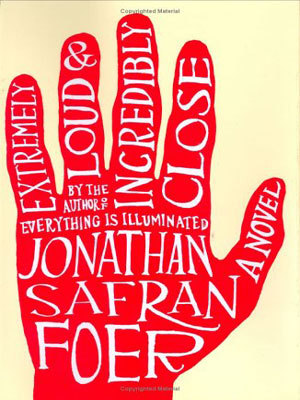
2. Everything is Illuminated by Jonathan Safran Foer

Jonathan Safran Foer seems to have a knack for book covers but there is something about this one in particular that really gets to me. There are no pictures. Instead, the words snake round the edges of the book, completely filling up the cover as if trying to break out of it. On the back of the book, there's no blurb - just a mirror image of the front cover, upside down - the claim that "Everything is Illuminated" becomes less of a title, and more an unrelenting promise about the novel itself. The book sprirals from one narrative to the next, linking individual stories together in order to provide one resounding message - the very same that is scrawled, almost frantically, on it's front cover.
3. Labyrinths by Jorge Luis Borges

There's something very "Being John Malkovich" about this, and if you have read Borges, you'll know that this surreal cover perfectly illustrates the stories he creates. "Labyrinths" explores alternate universes, the differing perceptions of time, the nature of dreams and crises of identity. The identical men suggest that the labyrinth Borges is most focused on is that of the human brain; and that, despite the fact people may differ in terms of dreams, everyone is inexorably fascinated with the nature of our their realities. Oh God, I really am pretentious today. I'll dumb it down for the next one.
4. The Time Traveller's Wife by Audrey Niffenegger

Nice one right? I really like how Niffenegger makes a story about a forty year old man travelling back in time to make his five year old wife fall in love with him, seem absolutely fine and not pervy or weird at all. The cover illustrates the same thing. It's immediately intriguing and, once you finish the book, really quite heartbreaking as it both reflects the start and the end of the story. I hoped that the film would strike the same kind of chord, but due to to a shite script writer and some unfortunate casting, it was not to be.
5. The Trial by Franz Kafka

A cover that I maybe don't fully understand, but I think it reflects the content of The Trial so perfectly for that reason; it's quite a complex narrative, full of twists an turns, some of which are pretty inexplicable. It also seems appropriate that the man on the cover is blindfolded; throughout the novel, the protagonist K is completely bewildered by the events that surround him. A bit like the strange contraption that is wrapped round the head of the front-cover man; part torture device, part bird costume, it dehumanises him and makes him entirely vulnerable, prime themes featured in The Trial.
Alas, this blog is limited to "Five Easy Steps", but here are a few others that I'm very fond of:


Note: It has come to my attention that this post is really quite pretentious. Maybe just ignore the words and concentrate on the pretty pictures.
1. A Clockwork Orange by Anthony Burgess

I love this cover because it's become an icon in it's own right; there's no way you can see that bowler hat and the cog-eye without thinking of lactose-obsessed, Beethoven aficionado, psychopath Alex and his band of droogs. I fell in love with this book, and I think the cover reflects the tone perfectly. It's a novel which features gang rape, pedophilia, homicide and brainwashing, and the bold, block colours on the front illustrate these booming, intense themes; but the fact it is so bright and vivid, where it could easily be dark and brooding, shows that the book also has a sense of humour and fun - it's a book which doesn't take itself too seriously. The pop art feel is also reminiscent of the era - the sixties - of which novels such as A Clockwork Orange were a quintessential part.
2. Everything is Illuminated by Jonathan Safran Foer

Jonathan Safran Foer seems to have a knack for book covers but there is something about this one in particular that really gets to me. There are no pictures. Instead, the words snake round the edges of the book, completely filling up the cover as if trying to break out of it. On the back of the book, there's no blurb - just a mirror image of the front cover, upside down - the claim that "Everything is Illuminated" becomes less of a title, and more an unrelenting promise about the novel itself. The book sprirals from one narrative to the next, linking individual stories together in order to provide one resounding message - the very same that is scrawled, almost frantically, on it's front cover.
3. Labyrinths by Jorge Luis Borges

There's something very "Being John Malkovich" about this, and if you have read Borges, you'll know that this surreal cover perfectly illustrates the stories he creates. "Labyrinths" explores alternate universes, the differing perceptions of time, the nature of dreams and crises of identity. The identical men suggest that the labyrinth Borges is most focused on is that of the human brain; and that, despite the fact people may differ in terms of dreams, everyone is inexorably fascinated with the nature of our their realities. Oh God, I really am pretentious today. I'll dumb it down for the next one.
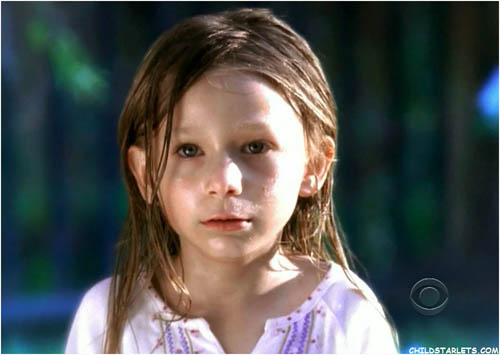
4. The Time Traveller's Wife by Audrey Niffenegger

Nice one right? I really like how Niffenegger makes a story about a forty year old man travelling back in time to make his five year old wife fall in love with him, seem absolutely fine and not pervy or weird at all. The cover illustrates the same thing. It's immediately intriguing and, once you finish the book, really quite heartbreaking as it both reflects the start and the end of the story. I hoped that the film would strike the same kind of chord, but due to to a shite script writer and some unfortunate casting, it was not to be.
5. The Trial by Franz Kafka

A cover that I maybe don't fully understand, but I think it reflects the content of The Trial so perfectly for that reason; it's quite a complex narrative, full of twists an turns, some of which are pretty inexplicable. It also seems appropriate that the man on the cover is blindfolded; throughout the novel, the protagonist K is completely bewildered by the events that surround him. A bit like the strange contraption that is wrapped round the head of the front-cover man; part torture device, part bird costume, it dehumanises him and makes him entirely vulnerable, prime themes featured in The Trial.
Alas, this blog is limited to "Five Easy Steps", but here are a few others that I'm very fond of:





Sunday, 1 January 2012
To A Mouse by Robert Burns
Right. 1st of January. I've got tons of plans for this year, one of which is to blog like the absolute shitters. I'm starting off the year with an appropriate, if not terribly optimistic poem by Robert Burns, the same man who wrote Auld Lang Syne. The line "and forward though I cannot see, I guess and fear" might not indicate that I'm terribly enthusiastic about 2012's prospects and my "best laid schemes", but let's be realistic; the world's probably going to end this year anyway.

To A Mouse
Small, crafty, cowering, timorous little beast,
O, what a panic is in your little breast!
You need not start away so hasty
With argumentative chatter!
I would be loath to run and chase you,
With murdering plough-staff.
I'm truly sorry man's dominion
Has broken Nature's social union,
And justifies that ill opinion
Which makes thee startle
At me, thy poor, earth born companion
And fellow mortal!
I doubt not, sometimes, but you may steal;
What then? Poor little beast, you must live!
An odd ear in twenty-four sheaves
Is a small request;
I will get a blessing with what is left,
And never miss it.
Your small house, too, in ruin!
Its feeble walls the winds are scattering!
And nothing now, to build a new one,
Of coarse grass green!
And bleak December's winds coming,
Both bitter and keen!
You saw the fields laid bare and wasted,
And weary winter coming fast,
And cozy here, beneath the blast,
You thought to dwell,
Till crash! the cruel plough passed
Out through your cell.
That small bit heap of leaves and stubble,
Has cost you many a weary nibble!
Now you are turned out, for all your trouble,
Without house or holding,
To endure the winter's sleety dribble,
And hoar-frost cold.
But little Mouse, you are not alone,
In proving foresight may be vain:
The best laid schemes of mice and men
Go often askew,
And leave us nothing but grief and pain,
For promised joy!
Still you are blest, compared with me!
The present only touches you:
But oh! I backward cast my eye,
On prospects dreary!
And forward, though I cannot see,
I guess and fear!
Robert Burns
To A Mouse
Small, crafty, cowering, timorous little beast,
O, what a panic is in your little breast!
You need not start away so hasty
With argumentative chatter!
I would be loath to run and chase you,
With murdering plough-staff.
I'm truly sorry man's dominion
Has broken Nature's social union,
And justifies that ill opinion
Which makes thee startle
At me, thy poor, earth born companion
And fellow mortal!
I doubt not, sometimes, but you may steal;
What then? Poor little beast, you must live!
An odd ear in twenty-four sheaves
Is a small request;
I will get a blessing with what is left,
And never miss it.
Your small house, too, in ruin!
Its feeble walls the winds are scattering!
And nothing now, to build a new one,
Of coarse grass green!
And bleak December's winds coming,
Both bitter and keen!
You saw the fields laid bare and wasted,
And weary winter coming fast,
And cozy here, beneath the blast,
You thought to dwell,
Till crash! the cruel plough passed
Out through your cell.
That small bit heap of leaves and stubble,
Has cost you many a weary nibble!
Now you are turned out, for all your trouble,
Without house or holding,
To endure the winter's sleety dribble,
And hoar-frost cold.
But little Mouse, you are not alone,
In proving foresight may be vain:
The best laid schemes of mice and men
Go often askew,
And leave us nothing but grief and pain,
For promised joy!
Still you are blest, compared with me!
The present only touches you:
But oh! I backward cast my eye,
On prospects dreary!
And forward, though I cannot see,
I guess and fear!
Robert Burns
Wednesday, 7 December 2011
This Is Just To Say
That I'm not dead, and will resume the blogging in due course.
This is also just to say....

I have eaten
the plums
that were in
the icebox
and which
you were probably
saving
for breakfast
Forgive me
they were delicious
so sweet
and so cold
William Carlos Williams
This is also just to say....

I have eaten
the plums
that were in
the icebox
and which
you were probably
saving
for breakfast
Forgive me
they were delicious
so sweet
and so cold
William Carlos Williams
Tuesday, 25 October 2011
The Unknown Citizen by W.H Auden
Oh HI blog. I temporarily forgot you existed.
I wish I could come up with some fabulous excuse for my absence - like I've spent the last week and a half in the New York office, working on some incredibly important papers, nicotine and coffee-filled to my eyeballs, ordering interns to "bring me those files, stat!" before firing someone in a violent fit of efficiency.
Actually I've spent most of my week making photocopies. Hurrah.
And in the light of this, here is a somewhat appropriate poem by the always excellent Auden.

The Unknown Citizen
He was found by the Bureau of Statistics to be
One against whom there was no official complaint,
And all the reports on his conduct agree
That, in the modern sense of an old-fashioned word, he was a
saint,
For in everything he did he served the Greater Community.
Except for the War till the day he retired
He worked in a factory and never got fired,
But satisfied his employers, Fudge Motors Inc.
Yet he wasn't a scab or odd in his views,
For his Union reports that he paid his dues,
(Our report on his Union shows it was sound)
And our Social Psychology workers found
That he was popular with his mates and liked a drink.
The Press are convinced that he bought a paper every day
And that his reactions to advertisements were normal in every way.
Policies taken out in his name prove that he was fully insured,
And his Health-card shows he was once in a hospital but left it cured.
Both Producers Research and High-Grade Living declare
He was fully sensible to the advantages of the Instalment Plan
And had everything necessary to the Modern Man,
A phonograph, a radio, a car and a frigidaire.
Our researchers into Public Opinion are content
That he held the proper opinions for the time of year;
When there was peace, he was for peace: when there was war, he went.
He was married and added five children to the population,
Which our Eugenist says was the right number for a parent of his
generation.
And our teachers report that he never interfered with their
education.
Was he free? Was he happy? The question is absurd:
Had anything been wrong, we should certainly have heard.
W.H Auden
I wish I could come up with some fabulous excuse for my absence - like I've spent the last week and a half in the New York office, working on some incredibly important papers, nicotine and coffee-filled to my eyeballs, ordering interns to "bring me those files, stat!" before firing someone in a violent fit of efficiency.
Actually I've spent most of my week making photocopies. Hurrah.
And in the light of this, here is a somewhat appropriate poem by the always excellent Auden.

The Unknown Citizen
He was found by the Bureau of Statistics to be
One against whom there was no official complaint,
And all the reports on his conduct agree
That, in the modern sense of an old-fashioned word, he was a
saint,
For in everything he did he served the Greater Community.
Except for the War till the day he retired
He worked in a factory and never got fired,
But satisfied his employers, Fudge Motors Inc.
Yet he wasn't a scab or odd in his views,
For his Union reports that he paid his dues,
(Our report on his Union shows it was sound)
And our Social Psychology workers found
That he was popular with his mates and liked a drink.
The Press are convinced that he bought a paper every day
And that his reactions to advertisements were normal in every way.
Policies taken out in his name prove that he was fully insured,
And his Health-card shows he was once in a hospital but left it cured.
Both Producers Research and High-Grade Living declare
He was fully sensible to the advantages of the Instalment Plan
And had everything necessary to the Modern Man,
A phonograph, a radio, a car and a frigidaire.
Our researchers into Public Opinion are content
That he held the proper opinions for the time of year;
When there was peace, he was for peace: when there was war, he went.
He was married and added five children to the population,
Which our Eugenist says was the right number for a parent of his
generation.
And our teachers report that he never interfered with their
education.
Was he free? Was he happy? The question is absurd:
Had anything been wrong, we should certainly have heard.
W.H Auden
Saturday, 15 October 2011
Briefly It Enters, Briefly It Speaks by Jane Kenyon
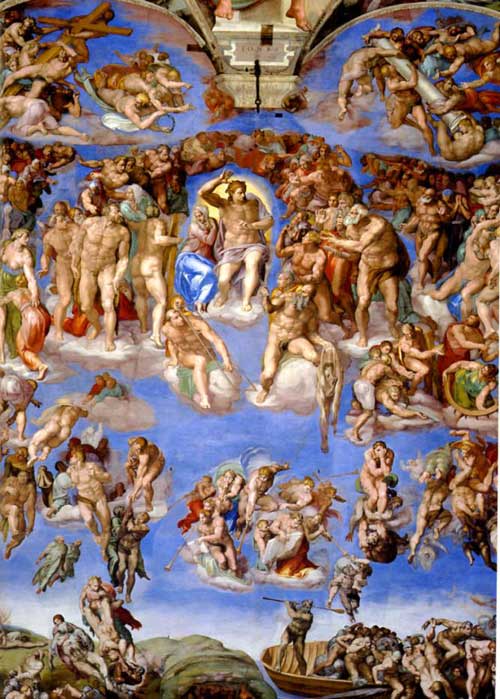
I'd never heard of Jane Kenyon until last week and I've already decided to do everything in my power to look like her. This is a beautifully simple poem that's probably about God. Funny how that put me off at first - until I realised how hypocritical I was being, considering I have a poster of The Last Judgement on my bedroom wall.

Briefly It Enters, Briefly It Speaks
I am the blossom pressed in a book,
found again after two hundred years. . . .
I am the maker, the lover, and the keeper....
When the young girl who starves
sits down to a table
she will sit beside me. . . .
I am food on the prisoner's plate. . . .
I am water rushing to the wellhead,
filling the pitcher until it spills. . . .
I am the patient gardener
of the dry and weedy garden. . . .
I am the stone step,
the latch, and the working hinge. . . .
I am the heart contracted by joy. . . .
the longest hair, white
before the rest. . . .
I am there in the basket of fruit
presented to the widow. . . .
I am the musk rose opening
unattended, the fern on the boggy summit. . . .
I am the one whose love
overcomes you, already with you
when you think to call my name. . . .
Jane Kenyon


Briefly It Enters, Briefly It Speaks
I am the blossom pressed in a book,
found again after two hundred years. . . .
I am the maker, the lover, and the keeper....
When the young girl who starves
sits down to a table
she will sit beside me. . . .
I am food on the prisoner's plate. . . .
I am water rushing to the wellhead,
filling the pitcher until it spills. . . .
I am the patient gardener
of the dry and weedy garden. . . .
I am the stone step,
the latch, and the working hinge. . . .
I am the heart contracted by joy. . . .
the longest hair, white
before the rest. . . .
I am there in the basket of fruit
presented to the widow. . . .
I am the musk rose opening
unattended, the fern on the boggy summit. . . .
I am the one whose love
overcomes you, already with you
when you think to call my name. . . .
Jane Kenyon
Wednesday, 12 October 2011
Brideshead Revisited by Evelyn Waugh
I don’t care if Evelyn Waugh lived a century ago, I WANT HIM TO BE MY FRIEND.

Five Points About This Book Which I Thought Of And Wrote:
1. The Characters
The novel opens as Captain Charles Ryder, after stumbling across a stately home in war torn England, begins to reminisce about the two most important people in his life: Sebastian and Julia Flyte. So begins the “revisiting” referred to in the title, and one of the funniest, most heartbreaking and poignant stories you will ever read.
Beginning with his university days, Charles is taken on a journey of debauchery and “naughtiness” by teddy-bear holding, atheist socialite Sebastian, introducing Charles to his home at Brideshead and his religion obsessed family. Sebastian is a complete personification of the Roaring Twenties spirit; frivolous, extravagant and ultimately, doomed.
Charles semi-infatuation with Sebastion occupies the first half of the book, whilst the second half focuses on his love for Sebastian’s equally profound and religiously confused sister Julia. The thing is, Waugh writes so BLOODY beautifully that you cant help but fall in love with these characters yourself, sharing Charles dizzying highs and pathetic lows with the two.
2. The Writing
Sometimes Waugh writes so well that I don’t even realise until I’m making dinner several hours later, shout “wait – what did he say?” and rush off to check while my macaroni cheese foams over the sides of the saucepan.
Take a read this passage to understand what I’m talking about:
This was the creature, neither child nor woman, that drove me through the dusk that summer evening, untroubled by love, taken aback by the power of her own beauty, hesitating on the cool edge of life; one who had suddenly found herself armed unawares; the heroine of a fairy story turning over in her hands the magic ring; she only had to stroke it with her fingertips and whisper the charmed word, for the earth to open at her feet and belch forth her titanic serpent, the fawning monster who would bring her whatever she asked, but bring it, perhaps, in unwelcome shape.
Yes, that is one sentence. Now go and make some macaroni cheese.
3. The Comedy
Imagine two Oxbridge students from the1930s, add champagne, strawberries, frivolity and homoeroticism and you get a flavour of the humour of this novel. Waugh writes with a biting wit, so caustic that it could burn a hole through the page, expressing great disdain through his characters for the multitude of well-to-do stereotypes that inhabited that particular era.
My favourite comedy scenes though involved Charles and Sebastian, who spend much of their time inebriated and carefree, talking about “rot” and “getting tight”; only occasionally reflecting on their behaviour as in this passage which made me cackle like a mad witch on the tube:
“Ought we to be drunk every night?” asked Sebastian one morning.
“Yes, I think so.”
“I think so too”.
Oh Sebastian and Charles, I want to be in your gang.
4. The Tragedy
The triviality eventually fades away though, and the second half of the novel becomes a lot more introspective, examining the nature of addiction, religion and love. At the risk of giving anything away, I wont delve too deep but rest assured that even when Waugh writes tragedy, it’s never melodramatic. Everything is contained, bubbling under the surface. Charles’ infatuations shift from Sebastian to Julia, but it is really the Flyte family and the world they inhabit, Brideshead, that ultimately captures him and causes him to reminisce so vividly.
The real sucker punch is this – the biggest spoiler of Brideshead Revisited is on page one. Charles is a lonely soldier, and encounters Brideshead again completely by chance. I don’t need to tell you how his relationships with Julia and Sebastian turn out; the inevitable destruction of each character is really at the tragic centre of the novel.
5. The Relevance
Perhaps the aspect I enjoyed most about Brideshead Revisited was how many times I found myself thinking “good grief, that is so true”. I felt this especially when Charles described his experiences at University; he is told calmly that “you’ll find you spend half of your second year shaking off the undesirable friends you made in the first” (unbelievably true) and particularly when he thinks that “if I was not going to take up one of the professions where a degree is necessary, it might be best to start now on what I intend doing” (it has occasionally struck me that I ought to start on that novel I’ve been planning since I was fifteen – my degree in philosophy was rendered useless the day I discovered “Philosopher” isn’t an actual career).
Not only this, but the observations he makes about society and social niceties completely spot on.This is a remarkable achievement, considering that the novel was written 80 YEARS AGO. Evelyn Waugh could be transported into the here and now and feel perfectly at home – once he gets used to touchscreens and unexpected items in the bagging area.
Put quite simply, this novel is a masterpiece. Anybody with even a passing interest in literature should consider this a must read.
8.5/10

Five Points About This Book Which I Thought Of And Wrote:
1. The Characters
The novel opens as Captain Charles Ryder, after stumbling across a stately home in war torn England, begins to reminisce about the two most important people in his life: Sebastian and Julia Flyte. So begins the “revisiting” referred to in the title, and one of the funniest, most heartbreaking and poignant stories you will ever read.
Beginning with his university days, Charles is taken on a journey of debauchery and “naughtiness” by teddy-bear holding, atheist socialite Sebastian, introducing Charles to his home at Brideshead and his religion obsessed family. Sebastian is a complete personification of the Roaring Twenties spirit; frivolous, extravagant and ultimately, doomed.
Charles semi-infatuation with Sebastion occupies the first half of the book, whilst the second half focuses on his love for Sebastian’s equally profound and religiously confused sister Julia. The thing is, Waugh writes so BLOODY beautifully that you cant help but fall in love with these characters yourself, sharing Charles dizzying highs and pathetic lows with the two.
2. The Writing
Sometimes Waugh writes so well that I don’t even realise until I’m making dinner several hours later, shout “wait – what did he say?” and rush off to check while my macaroni cheese foams over the sides of the saucepan.
Take a read this passage to understand what I’m talking about:
This was the creature, neither child nor woman, that drove me through the dusk that summer evening, untroubled by love, taken aback by the power of her own beauty, hesitating on the cool edge of life; one who had suddenly found herself armed unawares; the heroine of a fairy story turning over in her hands the magic ring; she only had to stroke it with her fingertips and whisper the charmed word, for the earth to open at her feet and belch forth her titanic serpent, the fawning monster who would bring her whatever she asked, but bring it, perhaps, in unwelcome shape.
Yes, that is one sentence. Now go and make some macaroni cheese.
3. The Comedy
Imagine two Oxbridge students from the1930s, add champagne, strawberries, frivolity and homoeroticism and you get a flavour of the humour of this novel. Waugh writes with a biting wit, so caustic that it could burn a hole through the page, expressing great disdain through his characters for the multitude of well-to-do stereotypes that inhabited that particular era.
My favourite comedy scenes though involved Charles and Sebastian, who spend much of their time inebriated and carefree, talking about “rot” and “getting tight”; only occasionally reflecting on their behaviour as in this passage which made me cackle like a mad witch on the tube:
“Ought we to be drunk every night?” asked Sebastian one morning.
“Yes, I think so.”
“I think so too”.
Oh Sebastian and Charles, I want to be in your gang.
4. The Tragedy
The triviality eventually fades away though, and the second half of the novel becomes a lot more introspective, examining the nature of addiction, religion and love. At the risk of giving anything away, I wont delve too deep but rest assured that even when Waugh writes tragedy, it’s never melodramatic. Everything is contained, bubbling under the surface. Charles’ infatuations shift from Sebastian to Julia, but it is really the Flyte family and the world they inhabit, Brideshead, that ultimately captures him and causes him to reminisce so vividly.
The real sucker punch is this – the biggest spoiler of Brideshead Revisited is on page one. Charles is a lonely soldier, and encounters Brideshead again completely by chance. I don’t need to tell you how his relationships with Julia and Sebastian turn out; the inevitable destruction of each character is really at the tragic centre of the novel.
5. The Relevance
Perhaps the aspect I enjoyed most about Brideshead Revisited was how many times I found myself thinking “good grief, that is so true”. I felt this especially when Charles described his experiences at University; he is told calmly that “you’ll find you spend half of your second year shaking off the undesirable friends you made in the first” (unbelievably true) and particularly when he thinks that “if I was not going to take up one of the professions where a degree is necessary, it might be best to start now on what I intend doing” (it has occasionally struck me that I ought to start on that novel I’ve been planning since I was fifteen – my degree in philosophy was rendered useless the day I discovered “Philosopher” isn’t an actual career).
Not only this, but the observations he makes about society and social niceties completely spot on.This is a remarkable achievement, considering that the novel was written 80 YEARS AGO. Evelyn Waugh could be transported into the here and now and feel perfectly at home – once he gets used to touchscreens and unexpected items in the bagging area.
Put quite simply, this novel is a masterpiece. Anybody with even a passing interest in literature should consider this a must read.
8.5/10
Monday, 10 October 2011
Genius by Mark Twain
It's days when your bank makes you wait for 35 minutes for no reason on your lunch break and the wind blows your skirt up just as a group of five teenage boys walks past, that you wish you looked more like Mark Twain. That moustache does not take shit from anybody.

Genius
Genius, like gold and precious stones,
is chiefly prized because of its rarity.
Geniuses are people who dash of weird, wild,
incomprehensible poems with astonishing facility,
and get booming drunk and sleep in the gutter.
Genius elevates its possessor to ineffable spheres
far above the vulgar world and fills his soul
with regal contempt for the gross and sordid things of earth.
It is probably on account of this
that people who have genius
do not pay their board, as a general thing.
Geniuses are very singular.
If you see a young man who has frowsy hair
and distraught look, and affects eccentricity in dress,
you may set him down for a genius.
If he sings about the degeneracy of a world
which courts vulgar opulence
and neglects brains,
he is undoubtedly a genius.
If he is too proud to accept assistance,
and spurns it with a lordly air
at the very same time
that he knows he can't make a living to save his life,
he is most certainly a genius.
If he hangs on and sticks to poetry,
notwithstanding sawing wood comes handier to him,
he is a true genius.
If he throws away every opportunity in life
and crushes the affection and the patience of his friends
and then protests in sickly rhymes of his hard lot,
and finally persists,
in spite of the sound advice of persons who have got sense
but not any genius,
persists in going up some infamous back alley
dying in rags and dirt,
he is beyond all question a genius.
But above all things,
to deftly throw the incoherent ravings of insanity into verse
and then rush off and get booming drunk,
is the surest of all the different signs
of genius.

Genius
Genius, like gold and precious stones,
is chiefly prized because of its rarity.
Geniuses are people who dash of weird, wild,
incomprehensible poems with astonishing facility,
and get booming drunk and sleep in the gutter.
Genius elevates its possessor to ineffable spheres
far above the vulgar world and fills his soul
with regal contempt for the gross and sordid things of earth.
It is probably on account of this
that people who have genius
do not pay their board, as a general thing.
Geniuses are very singular.
If you see a young man who has frowsy hair
and distraught look, and affects eccentricity in dress,
you may set him down for a genius.
If he sings about the degeneracy of a world
which courts vulgar opulence
and neglects brains,
he is undoubtedly a genius.
If he is too proud to accept assistance,
and spurns it with a lordly air
at the very same time
that he knows he can't make a living to save his life,
he is most certainly a genius.
If he hangs on and sticks to poetry,
notwithstanding sawing wood comes handier to him,
he is a true genius.
If he throws away every opportunity in life
and crushes the affection and the patience of his friends
and then protests in sickly rhymes of his hard lot,
and finally persists,
in spite of the sound advice of persons who have got sense
but not any genius,
persists in going up some infamous back alley
dying in rags and dirt,
he is beyond all question a genius.
But above all things,
to deftly throw the incoherent ravings of insanity into verse
and then rush off and get booming drunk,
is the surest of all the different signs
of genius.
Friday, 30 September 2011
General End Of Month Update
I haven't read as many books as I would've like this month, but the sheer super quality of the books I have read more than makes up for this. They are:
One Day by David Nicholls (this book DESTROYED me emotionally. Oh Nicholls, you build us up just to bring us down again, just like the irksome buttercup from that popular song)
The Wind Up Bird Chronice by Haruki Murakami (come and live in London, Murakami, so that I may befriend and subsequently wed you)
Brideshead Revisited by Evelyn Waugh (Just. Superb. Review will come imminently because I need to rave about this book to somebody other than my bathroom mirror)
This weekend I will be off round London to search for books as part of the Guardian Book Swap, pretending to be some kind of manic pixie dream girl.
One Day by David Nicholls (this book DESTROYED me emotionally. Oh Nicholls, you build us up just to bring us down again, just like the irksome buttercup from that popular song)
The Wind Up Bird Chronice by Haruki Murakami (come and live in London, Murakami, so that I may befriend and subsequently wed you)
Brideshead Revisited by Evelyn Waugh (Just. Superb. Review will come imminently because I need to rave about this book to somebody other than my bathroom mirror)
This weekend I will be off round London to search for books as part of the Guardian Book Swap, pretending to be some kind of manic pixie dream girl.
Monday, 26 September 2011
Sunday, 25 September 2011
Phenomenal Woman by Maya Angelou
The first time I heard this poem was when a lady in a coffee shop in Liverpool played the AMAZING acoustic version (below) that made me feel inexplicably good about myself. I think it's because insecurity has grown to annoy me - there's something sort of vaguely attention seeking and depressing and boring about it. What's refreshing is when people accept their flaws and either try to change them or flaunt them, which is exactly what Maya Angelou does in this poem. Fantastic.
Phenomenal Woman
Pretty women wonder where my secret lies.
I'm not cute or built to suit a fashion model's size
But when I start to tell them,
They think I'm telling lies.
I say,
It's in the reach of my arms
The span of my hips,
The stride of my step,
The curl of my lips.
I'm a woman
Phenomenally.
Phenomenal woman,
That's me.
I walk into a room
Just as cool as you please,
And to a man,
The fellows stand or
Fall down on their knees.
Then they swarm around me,
A hive of honey bees.
I say,
It's the fire in my eyes,
And the flash of my teeth,
The swing in my waist,
And the joy in my feet.
I'm a woman
Phenomenally.
Phenomenal woman,
That's me.
Men themselves have wondered
What they see in me.
They try so much
But they can't touch
My inner mystery.
When I try to show them
They say they still can't see.
I say,
It's in the arch of my back,
The sun of my smile,
The ride of my breasts,
The grace of my style.
I'm a woman
Phenomenally.
Phenomenal woman,
That's me.
Now you understand
Just why my head's not bowed.
I don't shout or jump about
Or have to talk real loud.
When you see me passing
It ought to make you proud.
I say,
It's in the click of my heels,
The bend of my hair,
the palm of my hand,
The need of my care,
'Cause I'm a woman
Phenomenally.
Phenomenal woman,
That's me.
Maya Angelou
Phenomenal Woman
Pretty women wonder where my secret lies.
I'm not cute or built to suit a fashion model's size
But when I start to tell them,
They think I'm telling lies.
I say,
It's in the reach of my arms
The span of my hips,
The stride of my step,
The curl of my lips.
I'm a woman
Phenomenally.
Phenomenal woman,
That's me.
I walk into a room
Just as cool as you please,
And to a man,
The fellows stand or
Fall down on their knees.
Then they swarm around me,
A hive of honey bees.
I say,
It's the fire in my eyes,
And the flash of my teeth,
The swing in my waist,
And the joy in my feet.
I'm a woman
Phenomenally.
Phenomenal woman,
That's me.
Men themselves have wondered
What they see in me.
They try so much
But they can't touch
My inner mystery.
When I try to show them
They say they still can't see.
I say,
It's in the arch of my back,
The sun of my smile,
The ride of my breasts,
The grace of my style.
I'm a woman
Phenomenally.
Phenomenal woman,
That's me.
Now you understand
Just why my head's not bowed.
I don't shout or jump about
Or have to talk real loud.
When you see me passing
It ought to make you proud.
I say,
It's in the click of my heels,
The bend of my hair,
the palm of my hand,
The need of my care,
'Cause I'm a woman
Phenomenally.
Phenomenal woman,
That's me.
Maya Angelou
Thursday, 22 September 2011
For a Fatherless Son by Slyvia Plath
Here is a sad poem - I'm not sure why, as I'm in an uncharacteristically good mood today. It's also by Sylvia Plath, whose poetry I'm generally not crazy about. Good old Sylv wouldn't know a good mood if it smacked her in the face and in tribute to her misery and seriousness, here is a little ditty from "Winter Trees".

For a Fatherless Son
You will be aware of an absence, presently,
Growing beside you, like a tree,
A death tree, color gone, an Australian gum tree ---
Balding, gelded by lightning--an illusion,
And a sky like a pig's backside, an utter lack of attention.
But right now you are dumb.
And I love your stupidity,
The blind mirror of it. I look in
And find no face but my own, and you think that's funny.
It is good for me
To have you grab my nose, a ladder rung.
One day you may touch what's wrong ---
The small skulls, the smashed blue hills, the godawful hush.
Till then your smiles are found money.
Slyvia Plath

For a Fatherless Son
You will be aware of an absence, presently,
Growing beside you, like a tree,
A death tree, color gone, an Australian gum tree ---
Balding, gelded by lightning--an illusion,
And a sky like a pig's backside, an utter lack of attention.
But right now you are dumb.
And I love your stupidity,
The blind mirror of it. I look in
And find no face but my own, and you think that's funny.
It is good for me
To have you grab my nose, a ladder rung.
One day you may touch what's wrong ---
The small skulls, the smashed blue hills, the godawful hush.
Till then your smiles are found money.
Slyvia Plath
Sunday, 18 September 2011
The Passage by Justin Cronin
A futuristic apocalyptic zombie/vampire/mutant thriller, based around an immortal little girl with magical powers called Amy. As ridiculous as it sounds.

Five Things You Really Should Know About The Passage Before You Attempt To Read It
1. The First Half
The outbreak of a deadly virus which turns the world’s population into murderous immortal super-humans had the potential be quite an interesting read. Throw in some sympathetic, engaging characters and a compelling plot and BAM! You’ve got yourself a bestseller. The first half of the plot generally followed this formula; great characters, some really memorable scenes (the zoo scene and the chapter in which the virals escape especially stand out)-overall a worthy effort. I genuinely sympathised with and cared about the protagonists, especially Amy and her police officer, make-shift, foster parent Wolgast. Everything was going swimmingly. That is until the plot jumped forward a hundred years, and all the characters we had grown to love subsequently disappeared.
2. The plot jumped forward a hundred years, and all the characters we had grown to love subsequently disappeared.
Sorry. But it is worth saying twice. This was such a huge risk to take with the plot and I really didn’t feel it paid off. Halfway through the novel, we’re introduced to a completely new set of characters; a community of survivors trying to put the bread on the table without being torn to shreds by the bloodthirsty mutants who roam the neighbourhood. The new characters themselves (Peter the eponymous hero, his brother Theo, Alicia, the token cold, beautiful and deadly female, and about a hundred and sixteen others) were incredibly uninteresting and all came with long established histories and relationships that I found difficult and frankly, boring to piece together. It was like starting a new, different book, just at the point where the original was starting to get interesting. I even resorted to flicking the pages ahead to make sure that Amy does turn up eventually, so that the book’s first half wasn’t rendered completely pointless. This would all be fine- if the book was under 800 pages long.
3. Did I mention the length?
Good God, this was a long read which, again, would be fine if for the most part it wasn’t filled with mind-numbing pointless details. If you’re considering reading this, my advice would be to hack off everything after page 300 with a flick knife and hand it to the nearest available tramp to burn for warmth. I bet even the smoke it gives off would be dull.
About 67% of this novel is made of unnecessary titbits of information, sometimes lasting for entire chapters. If there was a clever and compelling plot to make up for this ceaseless hoarding of minutiae, I could forgive the author (I’m looking at YOU, Tolkien), but it barely even scrapes that. What’s worse is that this that The Passage is only part one of a confirmed trilogy, which I find slightly unbelievable.
4. The Tone
This is a vain book, a book which thinks it is a lot better than it actually is. Only with complete self-assurance could the author introduce aspects such as “Flyers!”-what he imagines to be a commonly used swear word hundred years from now. Only with supreme confidence in his characters’ integrity could he allow most of their actions to be taken up by meaningless humdrum tasks. And to make a trilogy of this…this really is credence at its highest. Cronin has tried to make an epic but has failed to grasp that the word “epic” is not necessarily synonymous with the word “long”. However much it so desperately tries, I Am Legend, this is not-it doesn’t even have the grittiness of I Am Fighter.
5. The Unoriginality
I mentioned I Am Legend, and at the end of the day, there are hundreds of other post-apocalyptic dystopian vampire (virals, vampires, whatever) novels that are shorter, smarter and simply better written than The Passage. The Passage is what you get when you castrate The Stand, from which it has heavily borrowed; the two do display some uncanny similarities (the significant dreams, a war between good and evil, a community of survivors placing an elderly black woman at the centre, etcetera, etcetera, et-bloody-cetra). In contrast to the The Passage though, The Stand is a novel with intense depth and meaning.
If nothing else, the front cover of The Passage should give you clue-whilst I’m sure it was designed to convey a potent mixture of mystery and horror, the greyish dirty face of Amy simply displays an unmistakable look of boredom.
5/10
Five Things You Really Should Know About The Passage Before You Attempt To Read It
1. The First Half
The outbreak of a deadly virus which turns the world’s population into murderous immortal super-humans had the potential be quite an interesting read. Throw in some sympathetic, engaging characters and a compelling plot and BAM! You’ve got yourself a bestseller. The first half of the plot generally followed this formula; great characters, some really memorable scenes (the zoo scene and the chapter in which the virals escape especially stand out)-overall a worthy effort. I genuinely sympathised with and cared about the protagonists, especially Amy and her police officer, make-shift, foster parent Wolgast. Everything was going swimmingly. That is until the plot jumped forward a hundred years, and all the characters we had grown to love subsequently disappeared.
2. The plot jumped forward a hundred years, and all the characters we had grown to love subsequently disappeared.
Sorry. But it is worth saying twice. This was such a huge risk to take with the plot and I really didn’t feel it paid off. Halfway through the novel, we’re introduced to a completely new set of characters; a community of survivors trying to put the bread on the table without being torn to shreds by the bloodthirsty mutants who roam the neighbourhood. The new characters themselves (Peter the eponymous hero, his brother Theo, Alicia, the token cold, beautiful and deadly female, and about a hundred and sixteen others) were incredibly uninteresting and all came with long established histories and relationships that I found difficult and frankly, boring to piece together. It was like starting a new, different book, just at the point where the original was starting to get interesting. I even resorted to flicking the pages ahead to make sure that Amy does turn up eventually, so that the book’s first half wasn’t rendered completely pointless. This would all be fine- if the book was under 800 pages long.
3. Did I mention the length?
Good God, this was a long read which, again, would be fine if for the most part it wasn’t filled with mind-numbing pointless details. If you’re considering reading this, my advice would be to hack off everything after page 300 with a flick knife and hand it to the nearest available tramp to burn for warmth. I bet even the smoke it gives off would be dull.
About 67% of this novel is made of unnecessary titbits of information, sometimes lasting for entire chapters. If there was a clever and compelling plot to make up for this ceaseless hoarding of minutiae, I could forgive the author (I’m looking at YOU, Tolkien), but it barely even scrapes that. What’s worse is that this that The Passage is only part one of a confirmed trilogy, which I find slightly unbelievable.
4. The Tone
This is a vain book, a book which thinks it is a lot better than it actually is. Only with complete self-assurance could the author introduce aspects such as “Flyers!”-what he imagines to be a commonly used swear word hundred years from now. Only with supreme confidence in his characters’ integrity could he allow most of their actions to be taken up by meaningless humdrum tasks. And to make a trilogy of this…this really is credence at its highest. Cronin has tried to make an epic but has failed to grasp that the word “epic” is not necessarily synonymous with the word “long”. However much it so desperately tries, I Am Legend, this is not-it doesn’t even have the grittiness of I Am Fighter.
5. The Unoriginality
I mentioned I Am Legend, and at the end of the day, there are hundreds of other post-apocalyptic dystopian vampire (virals, vampires, whatever) novels that are shorter, smarter and simply better written than The Passage. The Passage is what you get when you castrate The Stand, from which it has heavily borrowed; the two do display some uncanny similarities (the significant dreams, a war between good and evil, a community of survivors placing an elderly black woman at the centre, etcetera, etcetera, et-bloody-cetra). In contrast to the The Passage though, The Stand is a novel with intense depth and meaning.
If nothing else, the front cover of The Passage should give you clue-whilst I’m sure it was designed to convey a potent mixture of mystery and horror, the greyish dirty face of Amy simply displays an unmistakable look of boredom.
5/10
Friday, 16 September 2011
Black Cat by Rainer Maria Rilke
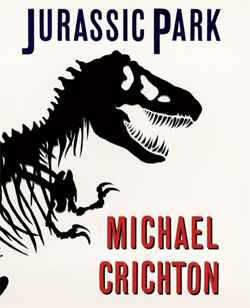
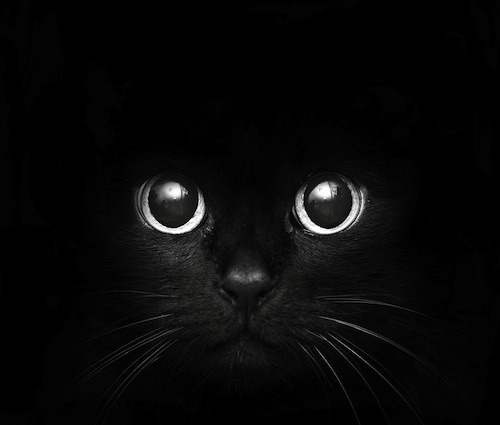
A brilliantly layered little poem by somebody that I'd previously not heard of, Rainer Maria Rilke. (Google Image him. Seriously). I especially love the last two lines. Partly because the image of the black cat's eyes staring into your soul, sucking it in, is so powerful; partly because it reminds me of Jurassic Park.

Black Cat
A ghost, though invisible, still is like a place
your sight can knock on, echoing; but here
within this thick black pelt, your strongest gaze
will be absorbed and utterly disappear:
just as a raving madman, when nothing else
can ease him, charges into his dark night
howling, pounds on the padded wall, and feels
the rage being taken in and pacified.
She seems to hide all looks that have ever fallen
into her, so that, like an audience,
she can look them over, menacing and sullen,
and curl to sleep with them. But all at once
as if awakened, she turns her face to yours;
and with a shock, you see yourself, tiny,
inside the golden amber of her eyeballs
suspended, like a prehistoric fly.
Rainer Maria Rilke
Black Cat
A ghost, though invisible, still is like a place
your sight can knock on, echoing; but here
within this thick black pelt, your strongest gaze
will be absorbed and utterly disappear:
just as a raving madman, when nothing else
can ease him, charges into his dark night
howling, pounds on the padded wall, and feels
the rage being taken in and pacified.
She seems to hide all looks that have ever fallen
into her, so that, like an audience,
she can look them over, menacing and sullen,
and curl to sleep with them. But all at once
as if awakened, she turns her face to yours;
and with a shock, you see yourself, tiny,
inside the golden amber of her eyeballs
suspended, like a prehistoric fly.
Rainer Maria Rilke
Tuesday, 13 September 2011
The Wasp Factory by Iain Banks
If you were hoping for a manual on industrial buildings mass producing hymenopteran insects, then I’m afraid you will be disappointed. If you were looking for a novel which unrelentlessly grips you from page one, leaving you buzzing even long after you’ve finished, then please step up and enter-if you can bear it-the extraordinary private world of Frank, just sixteen and unconventional to say the least (Note: apparently I'm pretentious today).

Top Five Things About The Wasp Factory The Book, (not “The Wasp Factory”, the factory) (or “The Wasp, Factory” about a young wasp named Factory):
1.The Shock Factor
The first and last thing you will always hear about The Wasp Factory is the spectacular way it offends, nauseates and unsettles the reader. With fiction like this, it’s helpful to think of the clichéd rollercoaster analogy. You simply have to accept it for what it is trying to do, because only then can you appreciate the ride; resist and you end up angry, sick and completely oblivious to the purpose of such an activity. Make no mistake-graphic animal abuse, child murder and a series of twists unlike any that you are unlikely to ever encounter again mean that this is no Space Mountain. It’s only once you dare to enter the world of sixteen year old, serial murderer Frank, and embrace it’s every facet, that you can really recognise the scope, creativity and originality of this novel.
2.The Hypnotization
Once you do enter the world of Frank, you’ll quickly find it difficult to leave. Even the blurb sold me.
“Two years after I killed Blyth, I murdered my young brother Paul, for quite different reasons and more fundamental reasons than I’d disposed of Blyth, and then a year after that I did my young cousin Esmeralda, more or less on a whim. That’s my score to date. Three. I haven’t killed anybody for years, and don’t intend to ever again. It was just a stage I was going through.”
Enough said. Who wouldn’t want to find out why this sixteen year old was driven to murder? How he can be so nonchalant? How has he gotten away with it? How the murders were committed? Once the novel begins, we are faced with other questions. What drove Frank’s brother, Eric, insane? (Clue: you almost definitely won’t be able to guess). What is The Wasp Factory? Iain Banks unravels the mystery slowly and carefully, slapping the reader in the nose with a tremendous twist at the end.
3.I <3 Frank
Frank is a lot like the protagonist of A Clockwork Orange, Alex. You don’t want to like him-you loathe the things that he does-but you just can’t help yourself. Frank is really nothing more than a bored, insecure and massively misinformed teenager, shaped by his label and fart obsessed father, absent mother, clinically insane brother and his own social isolation. His actions are in no way excusable, but we are pulled towards Frank, in spite of everything, because of his humanity and vulnerability. At one point lamenting “Looking at me, you’d never guessed I’d killed three people; it isn’t fair” Frank displays characteristics of the average teenager. His moods range from low self-confidence, to fantastic self-assurance. His brother Eric is crazy, most certainly-but he isn’t. Killing dogs for food is barbaric, but exploding rabbits with dynamite is a fine way to spend ones afternoon. Frank is a quintessentially flawed character-a cold sadistic killer, he is not, however much he would like to be. It is these insecurities and contradictions that drew me to Frank, and even (dare I say it) encouraged me to cheer him on. Just because he’s a psychotic murderer doesn’t mean you cant sympathise with him. I’m a strict vegetarian, yet I still think bacon smells amazing.
4.The Twist…
…is the very definition of a twist. One of those ones where you have to read the book a second time, to really allow the impact of the twist to sink in. A bit like Fight Club (which if you haven’t already seen, literally go and watch it NOW).
5.The Impact
Days after I finished the book, I was still thinking about it. The character of Frank, Eric’s traumatizing experiences, the grisly deaths of Paul, Blythe and Esmeralda, and the huge twist at the end...it's completely engrossing, in the same way that a car crash is-you want to look away, but find yourself unable to. This is a book that will stay with you. The attitude, tastes and tenacity of the individual reader decide whether this will be for better or for worse.
8/10

Top Five Things About The Wasp Factory The Book, (not “The Wasp Factory”, the factory) (or “The Wasp, Factory” about a young wasp named Factory):
1.The Shock Factor
The first and last thing you will always hear about The Wasp Factory is the spectacular way it offends, nauseates and unsettles the reader. With fiction like this, it’s helpful to think of the clichéd rollercoaster analogy. You simply have to accept it for what it is trying to do, because only then can you appreciate the ride; resist and you end up angry, sick and completely oblivious to the purpose of such an activity. Make no mistake-graphic animal abuse, child murder and a series of twists unlike any that you are unlikely to ever encounter again mean that this is no Space Mountain. It’s only once you dare to enter the world of sixteen year old, serial murderer Frank, and embrace it’s every facet, that you can really recognise the scope, creativity and originality of this novel.
2.The Hypnotization
Once you do enter the world of Frank, you’ll quickly find it difficult to leave. Even the blurb sold me.
“Two years after I killed Blyth, I murdered my young brother Paul, for quite different reasons and more fundamental reasons than I’d disposed of Blyth, and then a year after that I did my young cousin Esmeralda, more or less on a whim. That’s my score to date. Three. I haven’t killed anybody for years, and don’t intend to ever again. It was just a stage I was going through.”
Enough said. Who wouldn’t want to find out why this sixteen year old was driven to murder? How he can be so nonchalant? How has he gotten away with it? How the murders were committed? Once the novel begins, we are faced with other questions. What drove Frank’s brother, Eric, insane? (Clue: you almost definitely won’t be able to guess). What is The Wasp Factory? Iain Banks unravels the mystery slowly and carefully, slapping the reader in the nose with a tremendous twist at the end.
3.I <3 Frank
Frank is a lot like the protagonist of A Clockwork Orange, Alex. You don’t want to like him-you loathe the things that he does-but you just can’t help yourself. Frank is really nothing more than a bored, insecure and massively misinformed teenager, shaped by his label and fart obsessed father, absent mother, clinically insane brother and his own social isolation. His actions are in no way excusable, but we are pulled towards Frank, in spite of everything, because of his humanity and vulnerability. At one point lamenting “Looking at me, you’d never guessed I’d killed three people; it isn’t fair” Frank displays characteristics of the average teenager. His moods range from low self-confidence, to fantastic self-assurance. His brother Eric is crazy, most certainly-but he isn’t. Killing dogs for food is barbaric, but exploding rabbits with dynamite is a fine way to spend ones afternoon. Frank is a quintessentially flawed character-a cold sadistic killer, he is not, however much he would like to be. It is these insecurities and contradictions that drew me to Frank, and even (dare I say it) encouraged me to cheer him on. Just because he’s a psychotic murderer doesn’t mean you cant sympathise with him. I’m a strict vegetarian, yet I still think bacon smells amazing.
4.The Twist…
…is the very definition of a twist. One of those ones where you have to read the book a second time, to really allow the impact of the twist to sink in. A bit like Fight Club (which if you haven’t already seen, literally go and watch it NOW).
5.The Impact
Days after I finished the book, I was still thinking about it. The character of Frank, Eric’s traumatizing experiences, the grisly deaths of Paul, Blythe and Esmeralda, and the huge twist at the end...it's completely engrossing, in the same way that a car crash is-you want to look away, but find yourself unable to. This is a book that will stay with you. The attitude, tastes and tenacity of the individual reader decide whether this will be for better or for worse.
8/10
Wednesday, 24 August 2011
Ozymandius by Percy Shelley
I am terrible at blogs, as much as I love them; not having updated in three weeks seems terrible but, unfortunately, pretty inevitable. I dont know why I am trying to reason with you, the internet, but I feel I need an excuse. To be fair, I've had RIOTS to deal with and I also got a job, the one which required excellent communication abilities. Not sure if I have those just yet, but here is a man who most definitely did. It's everybody's favourite Romantic poet that's not Wordsworth or Byron; that's right it's PERCY SHELLEY, or as he's known to his friends, Perky Shellfish.

Ozymandias
I met a traveller from an antique land
Who said: "Two vast and trunkless legs of stone
Stand in the desert. Near them on the sand,
Half sunk, a shattered visage lies, whose frown
And wrinkled lip and sneer of cold command
Tell that its sculptor well those passions read
Which yet survive, stamped on these lifeless things,
The hand that mocked them and the heart that fed.
And on the pedestal these words appear:
`My name is Ozymandias, King of Kings:
Look on my works, ye mighty, and despair!'
Nothing beside remains. Round the decay
Of that colossal wreck, boundless and bare,
The lone and level sands stretch far away".

Ozymandias
I met a traveller from an antique land
Who said: "Two vast and trunkless legs of stone
Stand in the desert. Near them on the sand,
Half sunk, a shattered visage lies, whose frown
And wrinkled lip and sneer of cold command
Tell that its sculptor well those passions read
Which yet survive, stamped on these lifeless things,
The hand that mocked them and the heart that fed.
And on the pedestal these words appear:
`My name is Ozymandias, King of Kings:
Look on my works, ye mighty, and despair!'
Nothing beside remains. Round the decay
Of that colossal wreck, boundless and bare,
The lone and level sands stretch far away".
Monday, 1 August 2011
The Writer by Richard Wilbur
Something to inspire me as I struggle to think up potential answers for my interview tomorrow. They want "excellent communication abilities". So. Yikes, then.

The Writer by Richard Wilbur
In her room at the prow of the house
Where light breaks, and the windows are tossed with linden,
My daughter is writing a story.
I pause in the stairwell, hearing
From her shut door a commotion of typewriter-keys
Like a chain hauled over a gunwale.
Young as she is, the stuff
Of her life is a great cargo, and some of it heavy:
I wish her a lucky passage.
But now it is she who pauses,
As if to reject my thought and its easy figure.
A stillness greatens, in which
The whole house seems to be thinking,
And then she is at it again with a bunched clamor
Of strokes, and again is silent.
I remember the dazed starling
Which was trapped in that very room, two years ago;
How we stole in, lifted a sash
And retreated, not to affright it;
And how for a helpless hour, through the crack of the door,
We watched the sleek, wild, dark
And iridescent creature
Batter against the brilliance, drop like a glove
To the hard floor, or the desk-top,
And wait then, humped and bloody,
For the wits to try it again; and how our spirits
Rose when, suddenly sure,
It lifted off from a chair-back,
Beating a smooth course for the right window
And clearing the sill of the world.
It is always a matter, my darling,
Of life or death, as I had forgotten. I wish
What I wished you before, but harder.

The Writer by Richard Wilbur
In her room at the prow of the house
Where light breaks, and the windows are tossed with linden,
My daughter is writing a story.
I pause in the stairwell, hearing
From her shut door a commotion of typewriter-keys
Like a chain hauled over a gunwale.
Young as she is, the stuff
Of her life is a great cargo, and some of it heavy:
I wish her a lucky passage.
But now it is she who pauses,
As if to reject my thought and its easy figure.
A stillness greatens, in which
The whole house seems to be thinking,
And then she is at it again with a bunched clamor
Of strokes, and again is silent.
I remember the dazed starling
Which was trapped in that very room, two years ago;
How we stole in, lifted a sash
And retreated, not to affright it;
And how for a helpless hour, through the crack of the door,
We watched the sleek, wild, dark
And iridescent creature
Batter against the brilliance, drop like a glove
To the hard floor, or the desk-top,
And wait then, humped and bloody,
For the wits to try it again; and how our spirits
Rose when, suddenly sure,
It lifted off from a chair-back,
Beating a smooth course for the right window
And clearing the sill of the world.
It is always a matter, my darling,
Of life or death, as I had forgotten. I wish
What I wished you before, but harder.
Saturday, 30 July 2011
Hey Nostradamus! by Douglas Coupland
My first thought as I started reading this book was "more things should have exclamation marks on the end"*. My second thought was "this is quite good actually".

Top Five Things Which I Also Thought About This Book That You Might Find Interesting:
1. The Story:
Cheryl is a high school student, who has recently married Jason in a secret Vegas ceremony. A few days after, she is shot dead in a massacre at her school. The novel explores how a single day can irrevocably change the course of a life forever. Coupland demonstrates humour, subtlety and sensitivity in documenting the effect this tragedy on the character’s lives, over the years.
2.The Characters:
The story is told through four different characters, at four different times. There is Cheryl, the final victim of a high school massacre whose absent minded scribblings (God is nowhere, God is now here) are taken vastly out of context by the media and who now speaks to us beyond the grave, Lovely Bones style. Ten years later we are introduced to Cheryl’s sweetheart Jason who is left to cope with the aftermath of the massacre, Cheryl’s death and his heroic actions at the scene being vastly taken out of context by the media. Next, we are faced with Heather, Jason’s girlfriend who has their relationship vastly taken out of context by a gold-digging psychic. Finally there is Reg, Jason’s father, whose sense of reality is taken vastly out of context by his extremist religious beliefs.
The first two characters, Cheryl and Jason, I found to be endearing, humorous, sympathetic representations. Towards the middle of the book though, it felt like Mr Coupland had run out of steam. Heather was by all accounts a pretty boring character, with not much to say for herself. It’s almost like the author realised this and threw a few “quirks” into her character (like her Muppet-style private jokes with Jason) to make her seem a bit more three-dimensional and likeable. Reg, the final character, was a clichéd religious zealot who sees the error of his ways after a stint in hospital. Thankfully, Heather’s chapter has an engaging plotline to it, which distracts from her dreary personality and Reg’s chapter is quite short. So it all works out for the best.
3.The Themes:
The story essentially explores the effect that the Columbine-esque massacre has on each of these characters; this is refreshing for the simple reason that this is often the side of tragedy that you don’t hear about, that doesn’t lay itself open to examination, because grief has evolved to be a solitary mental activity. And this is another aspect which the novel explores-the impact that is produced when this inherently personal reflection is propelled into the public arena by the media. There are misinterpretations and exaggerations, mimicking the media furore that was seen after Columbine**. On a broader note, the themes of death and loss reach into every part of the novel. The characters are essentially defined by their experience of loss, the entirety of their lives being shaped and moulded by one event that happens at the start of the novel.
4. The Humour:
Some parts were ridiculous. I’ve only read one other Coupland novel before this-“Girlfriend in a Coma”-which featured an apocalypse at its climax, before the events of the novel were reversed and everything went back to normal. So I wasn’t exactly unprepared for some, more surreal, occurrences. At one such point, the protagonist Jason’s brother Kent dies. His brother’s wife asks Jason to impregnate her, as Kent was infertile and Jason, being his brother, has the same DNA as him. Jason agrees, but only if they get married in Vegas first. Oh also, when a friend notices them on the way to the chapel, Kent’s wife immediately murders him. As you do.
5.The Style:
For a book with such deep themes, it’s incredibly simplistic in its writing, and this is a great asset. There’s nothing worse than a book which is highly meaningful and profound, but the writing style is so impenetrable that you come away from it uninterested, confused and frustrated (I’m looking at YOU, Moby Dick). If you are unemployed, bored and live in a country where it rains incessantly (I tick all three boxes) you could easily get through this is in a day. And what’s better than spending a day reading a good book? I don’t know, probably bungee jumping or something.
*******1/2 (That’s seven and a half stars out of ten).
*Like this
** Especially with regards to student Cassie Bernell who supposedly answered “yes” when asked by one of the killers if she believed in God, just before being shot. This exchange has later been disputed by witnesses and investigators.

Top Five Things Which I Also Thought About This Book That You Might Find Interesting:
1. The Story:
Cheryl is a high school student, who has recently married Jason in a secret Vegas ceremony. A few days after, she is shot dead in a massacre at her school. The novel explores how a single day can irrevocably change the course of a life forever. Coupland demonstrates humour, subtlety and sensitivity in documenting the effect this tragedy on the character’s lives, over the years.
2.The Characters:
The story is told through four different characters, at four different times. There is Cheryl, the final victim of a high school massacre whose absent minded scribblings (God is nowhere, God is now here) are taken vastly out of context by the media and who now speaks to us beyond the grave, Lovely Bones style. Ten years later we are introduced to Cheryl’s sweetheart Jason who is left to cope with the aftermath of the massacre, Cheryl’s death and his heroic actions at the scene being vastly taken out of context by the media. Next, we are faced with Heather, Jason’s girlfriend who has their relationship vastly taken out of context by a gold-digging psychic. Finally there is Reg, Jason’s father, whose sense of reality is taken vastly out of context by his extremist religious beliefs.
The first two characters, Cheryl and Jason, I found to be endearing, humorous, sympathetic representations. Towards the middle of the book though, it felt like Mr Coupland had run out of steam. Heather was by all accounts a pretty boring character, with not much to say for herself. It’s almost like the author realised this and threw a few “quirks” into her character (like her Muppet-style private jokes with Jason) to make her seem a bit more three-dimensional and likeable. Reg, the final character, was a clichéd religious zealot who sees the error of his ways after a stint in hospital. Thankfully, Heather’s chapter has an engaging plotline to it, which distracts from her dreary personality and Reg’s chapter is quite short. So it all works out for the best.
3.The Themes:
The story essentially explores the effect that the Columbine-esque massacre has on each of these characters; this is refreshing for the simple reason that this is often the side of tragedy that you don’t hear about, that doesn’t lay itself open to examination, because grief has evolved to be a solitary mental activity. And this is another aspect which the novel explores-the impact that is produced when this inherently personal reflection is propelled into the public arena by the media. There are misinterpretations and exaggerations, mimicking the media furore that was seen after Columbine**. On a broader note, the themes of death and loss reach into every part of the novel. The characters are essentially defined by their experience of loss, the entirety of their lives being shaped and moulded by one event that happens at the start of the novel.
4. The Humour:
Some parts were ridiculous. I’ve only read one other Coupland novel before this-“Girlfriend in a Coma”-which featured an apocalypse at its climax, before the events of the novel were reversed and everything went back to normal. So I wasn’t exactly unprepared for some, more surreal, occurrences. At one such point, the protagonist Jason’s brother Kent dies. His brother’s wife asks Jason to impregnate her, as Kent was infertile and Jason, being his brother, has the same DNA as him. Jason agrees, but only if they get married in Vegas first. Oh also, when a friend notices them on the way to the chapel, Kent’s wife immediately murders him. As you do.
5.The Style:
For a book with such deep themes, it’s incredibly simplistic in its writing, and this is a great asset. There’s nothing worse than a book which is highly meaningful and profound, but the writing style is so impenetrable that you come away from it uninterested, confused and frustrated (I’m looking at YOU, Moby Dick). If you are unemployed, bored and live in a country where it rains incessantly (I tick all three boxes) you could easily get through this is in a day. And what’s better than spending a day reading a good book? I don’t know, probably bungee jumping or something.
*******1/2 (That’s seven and a half stars out of ten).
*Like this
** Especially with regards to student Cassie Bernell who supposedly answered “yes” when asked by one of the killers if she believed in God, just before being shot. This exchange has later been disputed by witnesses and investigators.
Subscribe to:
Posts (Atom)